

Create a seamless process for your agency
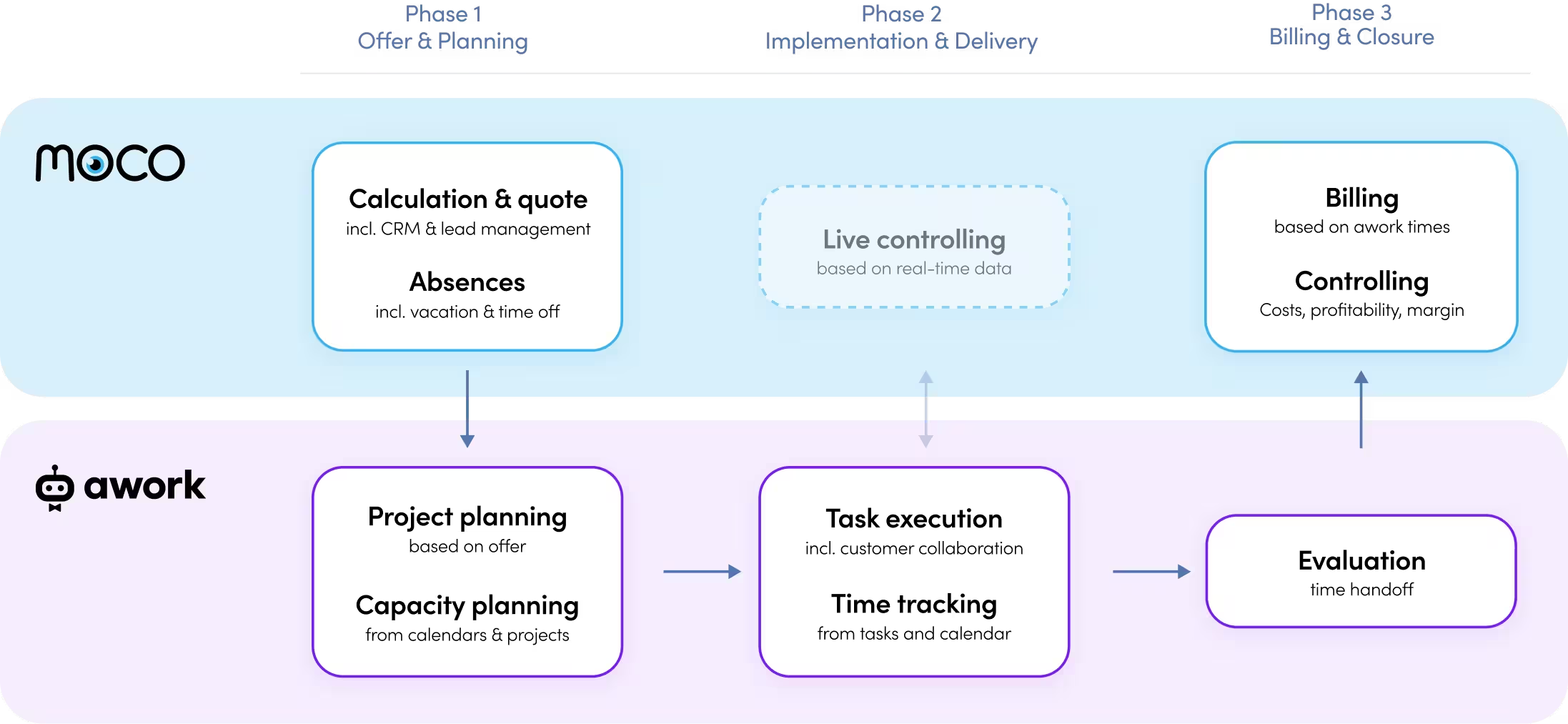
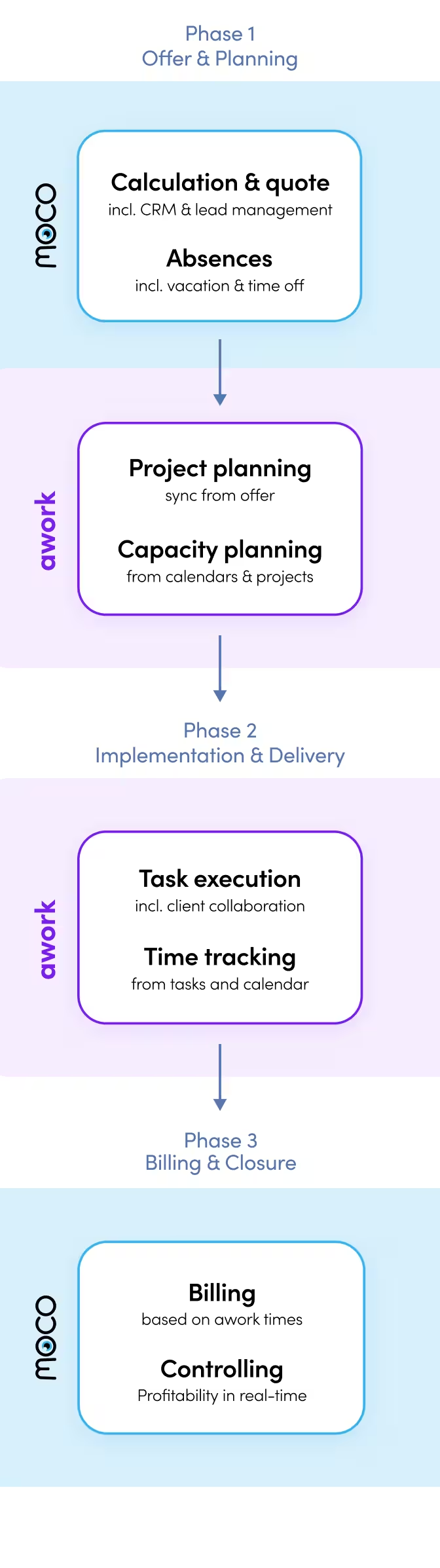
Benefits of awork + MOCO
See the integration
in action




Go deeper on the integration
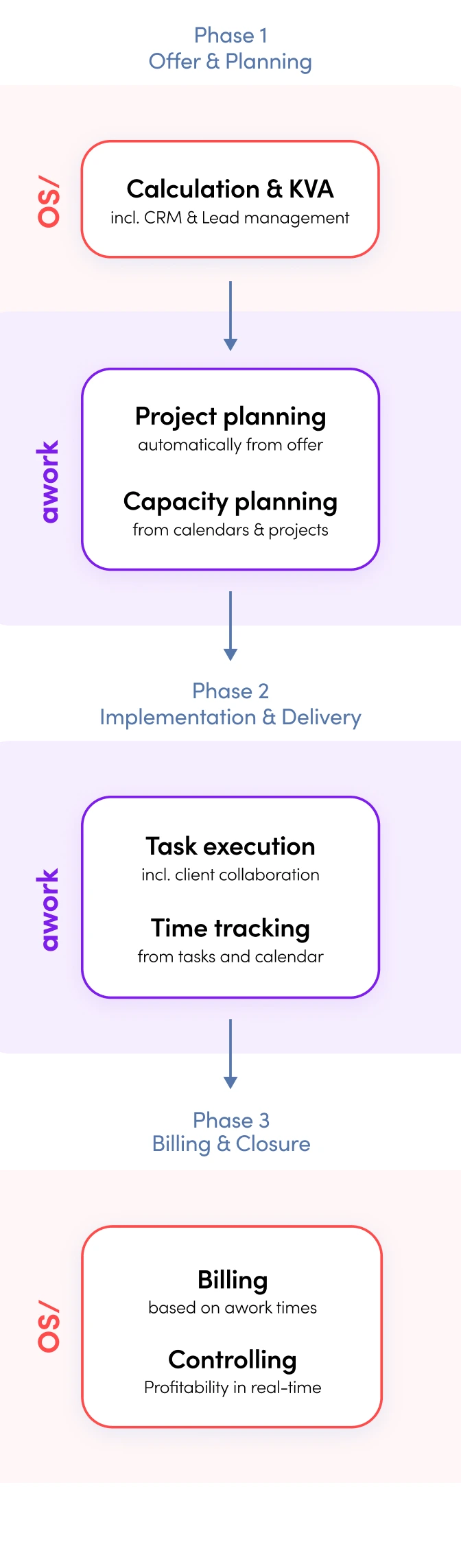
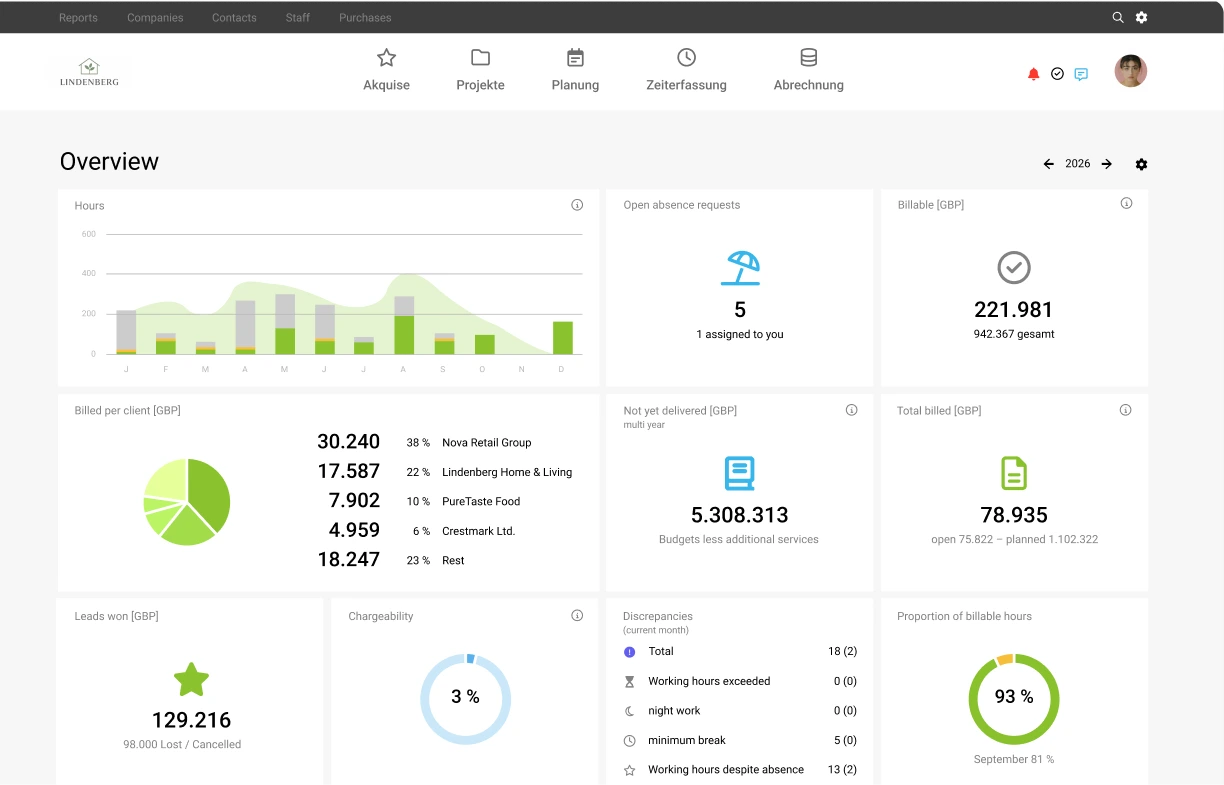
The integration explained in detail

Learn more
about MOCO


My team is truly excited about awork. We've tested other tools and were not as happy, but now we’ve found genuine relief and support for everyone.

awork enables us to have a very professional appearance in front of our clients.

More efficient processes save us time and money every day. awork pays off.

With awork, we have found a tool that combines all the functions of everyday agency life.

Without awork, we would not be able to work so profitably and generate such good figures.

With awork, we have a better forecast for our project planning, from the pitch phase to retainer projects.


Organise your agency


with awork
Try it for free – no credit card required.

awork is ISO 27001 certified, fully compliant with the EU General Data Protection Regulation (GDPR) and hosted on ISO 27001 certified server locations in Europe.